Energy Drink Culture in Japan: Top 4 Picks and a Deep Dive into Caffeine Safety
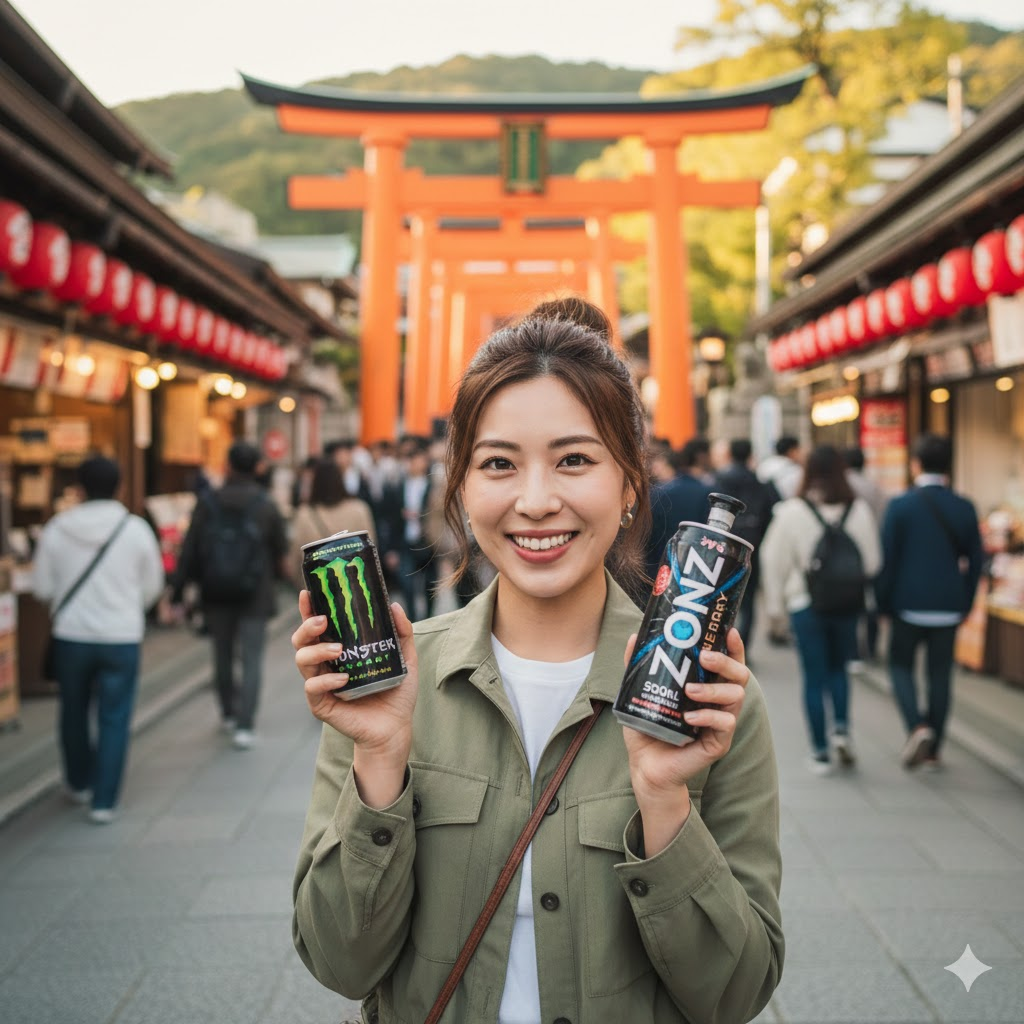
Do you ever feel that mid-afternoon slump or need an extra push to get through a demanding project? In Japan, the energy drink market is a massive industry, evolving from traditional medicinal tonics to the flashy, high-caffeine cans we see today. These drinks are more than just beverages; they are a lifestyle choice for students, gamers, and the hardworking “salarymen.”
In this expanded guide, we will explore the top 4 energy drinks dominating the Japanese market and provide essential medical insights regarding caffeine consumption in Japan.
Contents
1. Monster Energy: The King of Variety and Volume
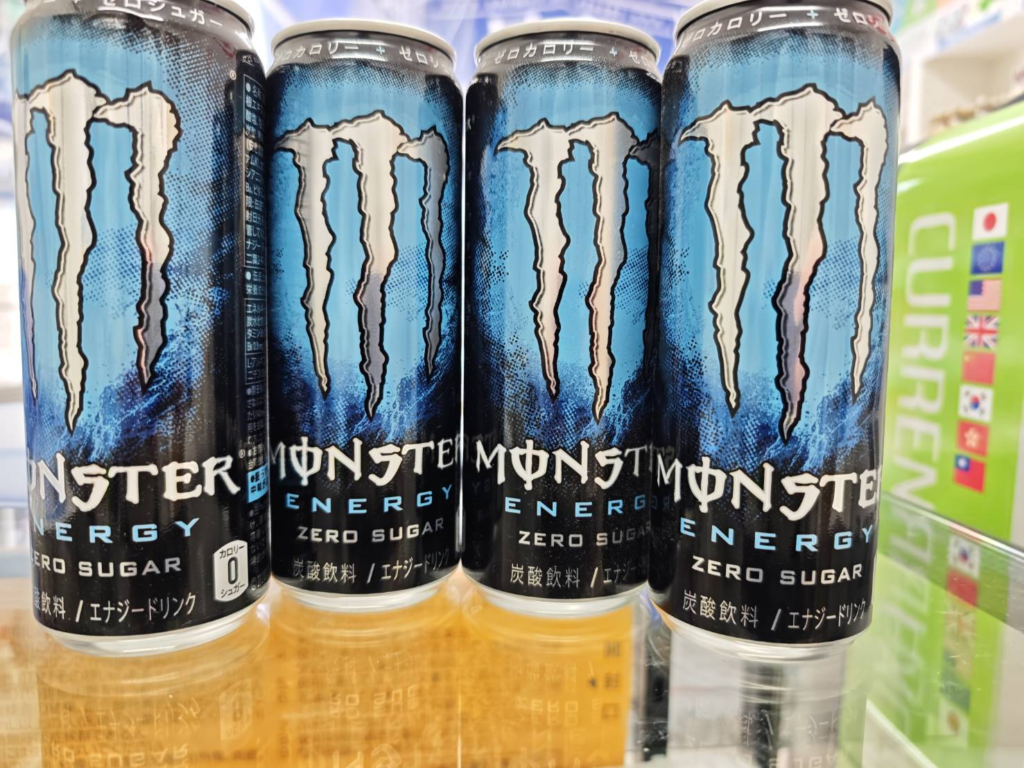
Since its official launch in Japan, Monster Energy has become the gold standard for those seeking a powerful kick. It’s hard to miss the iconic “M” claw logo in the refrigerated section of any convenience store.
- The Appeal: What sets Monster apart in Japan is its incredible variety. While the classic “Green” provides a sugary punch, the “Ultra” series (White, Red, Peachy Keen, etc.) has gained massive popularity because they are sugar-free and zero-calorie.
- The Content: A standard 355mL can packs roughly 142mg of caffeine. For many fans, this represents the perfect balance between price and potency. It also contains an “Energy Blend” including L-Arginine, Ginseng, and B-vitamins, designed to keep you going for hours.
2. Red Bull: The Global Icon of Performance
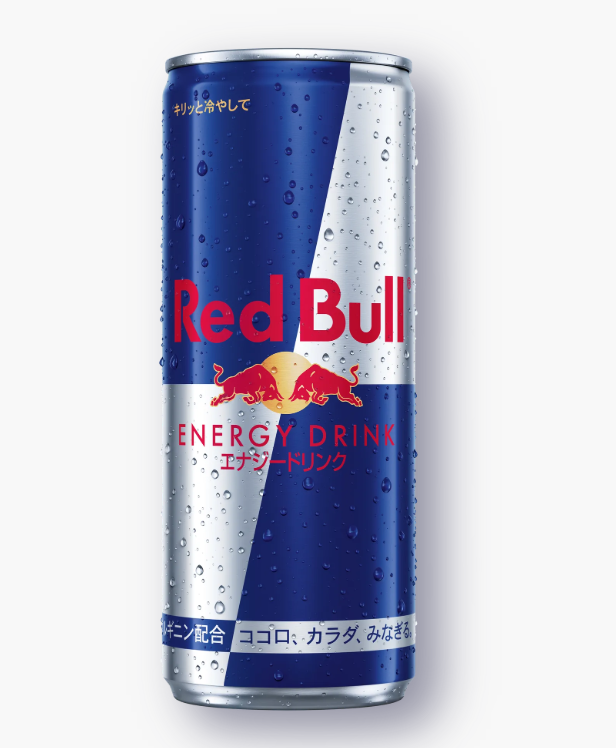
Red Bull isn’t just a drink; it’s a brand associated with extreme sports and high performance. It was the first major international player to change how Japanese people view “energy.”
- Premium Positioning: Red Bull is often seen as the more “premium” or “sophisticated” choice. Its flavor is slightly more tart and crisp than Monster.
- The Dosage: Interestingly, Red Bull in Japan is often sold in 250mL cans containing 80mg of caffeine. Because the volume is smaller, it’s a popular choice for people who want a quick “shot” of energy without having to drink a large amount of liquid before a meeting or a workout.
3. ZONe ENERGY: The Digital Native’s Fuel
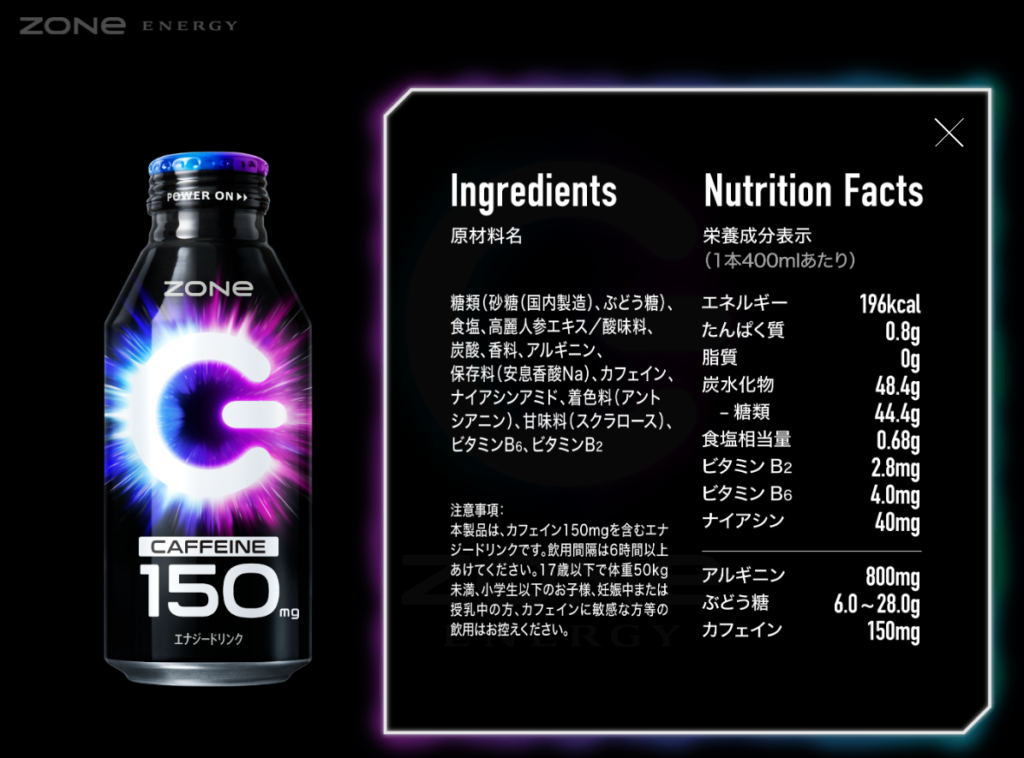
ZONe is Japan’s homegrown answer to the global energy drink craze. It was specifically designed to cater to the “e-sports” and “immersion” culture, targeting people who spend long hours in front of screens.
- Innovative Design: ZONe changed the game by introducing 400mL to 500mL large-capacity cans. Many versions now feature a resealable screw-cap, allowing users to maintain the carbonation while sipping slowly over a long gaming session or a workday.
- The Strength: ZONe is known for being “aggressive” with its formula. Most versions contain 150mg of caffeine per can. Its flavor profile is often described as more like a fruity soda, making it very easy to consume—which is why caution is necessary!
4. Lipovitan D: The Legend of “Fight! Ippatsu!”
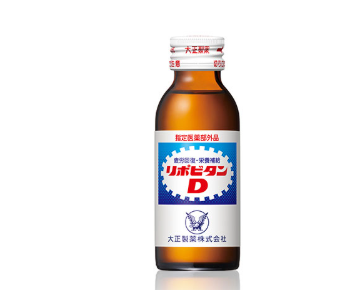
Long before the term “energy drink” existed in Japan, there was Lipovitan D. Classified as a “Quasi-drug” (指定医薬部外品), it has been the backbone of Japanese workers for over 60 years.
- The Formula of Recovery: Unlike the trendy cans above, Lipovitan D isn’t just about the “buzz.” Each 100mL brown glass bottle contains 1,000mg of Taurine, which helps with liver function and physical fatigue.
- Moderate Caffeine: It contains a modest 50mg of caffeine. This makes it a preferred choice for older generations or those who want the medicinal benefits of vitamins and taurine without the massive caffeine crash associated with larger energy drinks.
⚠️ Pharmacist’s Guide: Caffeine Intake Limits in Japan
As your local pharmacy, we want you to enjoy these drinks safely. Many people aren’t aware that Japan has specific guidelines regarding caffeine, even if they aren’t as strictly regulated as prescription drugs.
1. How much is too much?
The Ministry of Health, Labour and Welfare (MHLW) of Japan cites international standards (such as those from the EFSA and Health Canada) because Japan does not have a legally mandated “daily limit.” However, the general consensus for a healthy adult is:
- Maximum 400mg per day (roughly 3 cans of Monster or 2.5 cans of ZONe).
- No more than 200mg in a single dose.
2. The Risks of “Over-boosting”
Caffeine stimulates the central nervous system. When you exceed the limits, you may experience:
- Acute Symptoms: Dizziness, rapid heart rate (tachycardia), tremors, and insomnia.
- Serious Risks: In severe cases, “Caffeine Poisoning” can lead to vomiting, cardiac arrhythmia, and even seizures.
3. Hidden Caffeine Sources
Remember that caffeine isn’t just in energy drinks. If you have a cup of coffee (approx. 60mg) or green tea with your lunch, and then drink a high-caffeine energy drink, you could easily surpass the safe threshold. Be especially careful if you are taking over-the-counter cold or headache medications, as these often contain caffeine to boost the effectiveness of painkillers.
まとめ
Energy drinks are a great tool for productivity, but they are not a substitute for rest. If you find yourself needing them every day just to function, it might be time to look at your sleep hygiene or consult with us at the pharmacy!
At BLEZ Pharmacy, we stock these product and other essential medications. We are located in Asakusa, Tokyo, but whether you live or stay in Tokyo, Osaka, Kyoto, or anywhere else in Japan, you can contact us for consultation or to order products online. We offer fast shipping, with next-day delivery available in some areas. Our team is also able to coordinate online medical consultations with English-speaking doctors, ensuring you receive the care you need. Feel free to contact us via phone, LINE, X(Twitter), Instagram, or WeChat to learn more.